Saving Hawaiian Honeycreepers
By Louisa Evers, Golden Eagle Audubon Board Member
Most of us know that the Hawaiian honeycreepers face extinction in large part due to the spread of avian malaria. The southern house mosquito, Culex quinquefasciatus, was introduced to the Hawaiian Islands by 1826, possibly earlier, in the holds of European and American trading ships. Avian malaria, which is carried by this species of mosquitos, was first detected in the 1940s when declines of honeycreepers became apparent and some species had already gone extinct. There are many factors in causing these declines and extinctions, avian malaria likely played a role.
A Dire Situation
Of the over 50 species of honeycreepers present when Americans and Europeans started visiting the Hawaiian Islands, only 17 species remain. Eleven of these are highly susceptible to avian malaria. Only one species, the Palila, resides in elevations where Culex mosquitos and avian malaria have not been documented. Only the Big Island still has forests at high enough elevation to limit the presence of Culex mosquitos and avian malaria, but that is also expected to disappear by mid-century.
Feral pigs contribute to the problem by creating mosquito breeding areas via wallowing. Abandoned infrastructure, such as stock tanks and open cisterns as well as forest fragmentation also create and leave behind mosquito breeding areas. While fencing out or removing feral pigs and removing such abandoned infrastructure can help, these occur at too small a scale to make a significant difference in mosquito populations. Natural streams and pools still provide abundant breeding areas.
Enter the Researchers
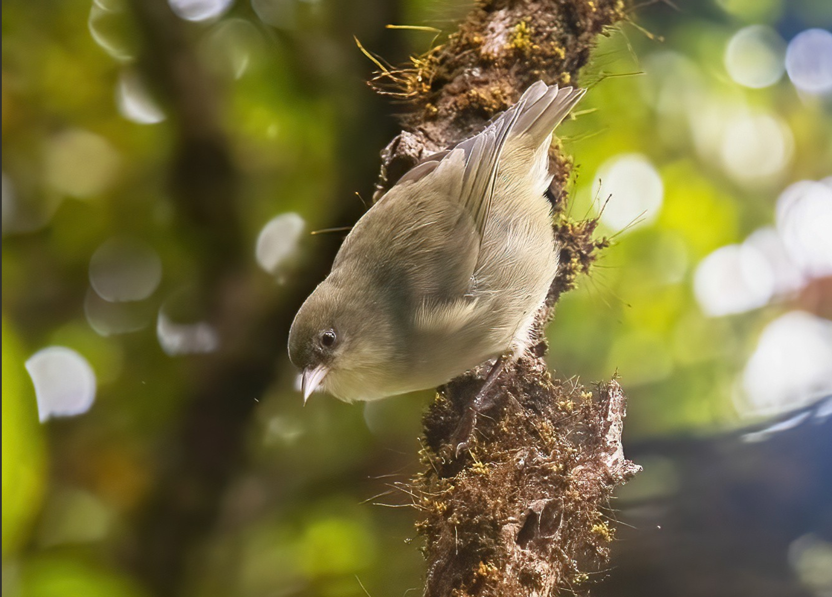
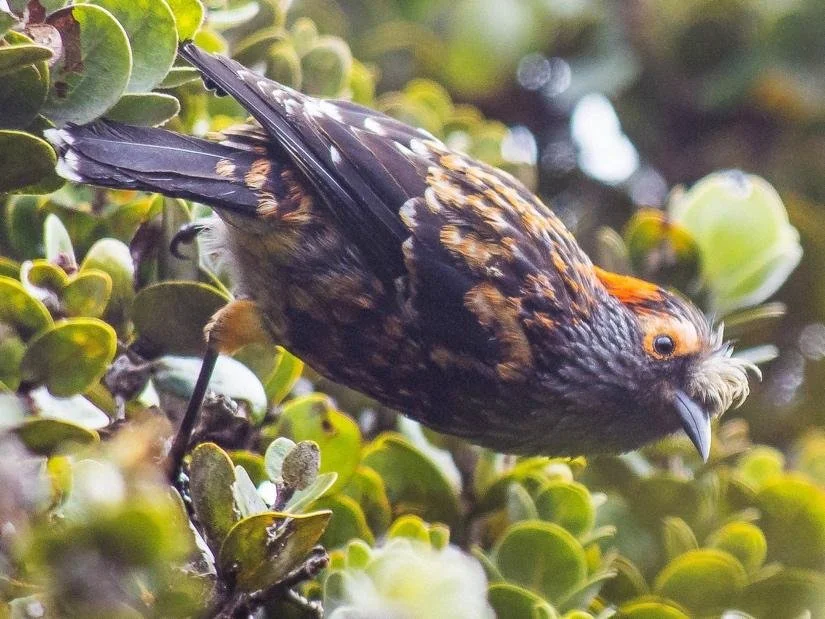
‘Akikiki Photo credit: ©Sandeep C Dhar, 2021, Macaulay Library ML366823041
The Maui Forest Bird Recovery Project (MFBRP) was formed in 1997, and the Kaua’i Forest Bird Recovery Project (KFBRP) was formed in 2003 by the State of Hawai’i, University of Hawai’i, the Federal government, and other partners to test methods of restoring native honeycreepers. Only six species remain on Maui and eight species on Kaua’i. The ‘Akikiki is functionally extinct in the wild, existing only in captive rearing facilities. The spread of avian malaria has been accelerating and birds are disappearing fast.
The MFBRP has been experimenting with different methods of supporting the native honeycreepers. At one site that lacked trees, the MFBRP fenced out feral pigs, began captive rearing of Kiwikiu (Maui Parrotbill), and restored a native forest. After 19 years of growth, they believed the forest was mature enough to support this bird. The MFBRP released several captive-reared and captured wild birds in 2019. Within only three years, all died from avian malaria.
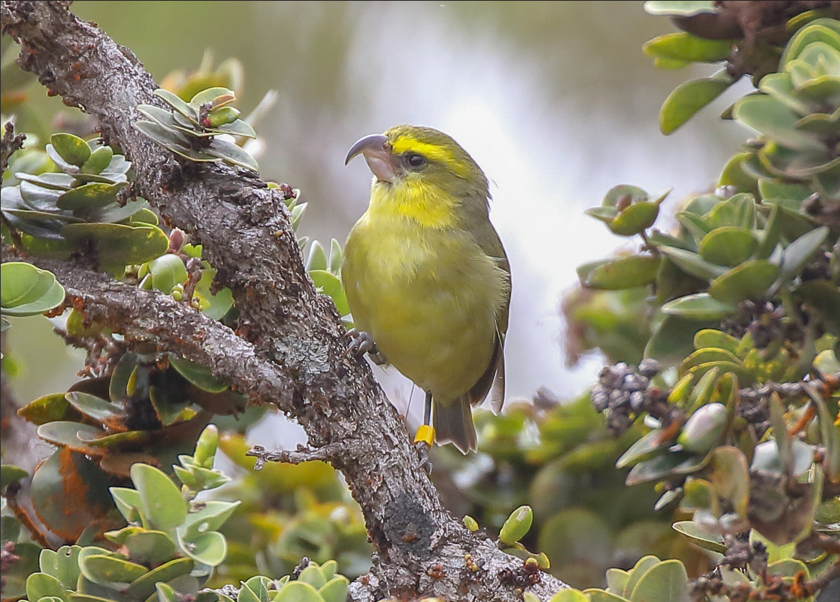
Kiwikiu. Photo credit: ©Bret Mossman, Macaulay Library ML235647491
A New Approach
This tragedy made it clear that recovering Hawaiian honeycreepers cannot occur without controlling Culex mosquito populations. The MFBRP decided to test the use of Wolbachia-transinfected male mosquitos, known as Incompatible Insect Technique, or IIT. Wolbachia is a bacterium that lives in the reproductive organs of mosquitos and many other insects and can affect reproductive success. Both male and female mosquitos can have Wolbachia but if the two forms are incompatible or if the female lacks Wolbachia, the eggs produced by the female are infertile. Wolbachia has been used worldwide to control mosquito populations that spread human diseases, including in California and Florida. The measure controls only the specific species of mosquito targeted and does not affect other insects and invertebrates and is not considered a form of genetic modification. The effort in Hawai’i is the first use of IIT to reduce avian-specific mosquito populations as part of the Birds, Not Mosquitos campaign.
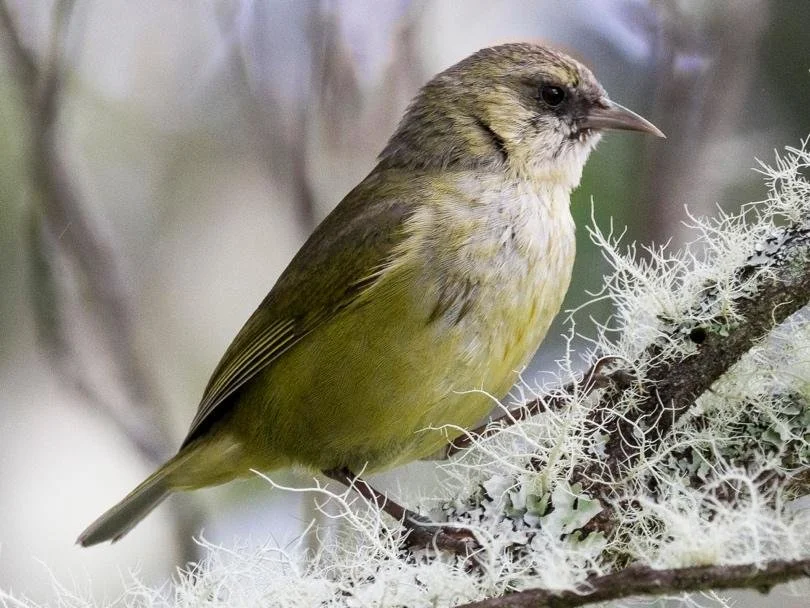
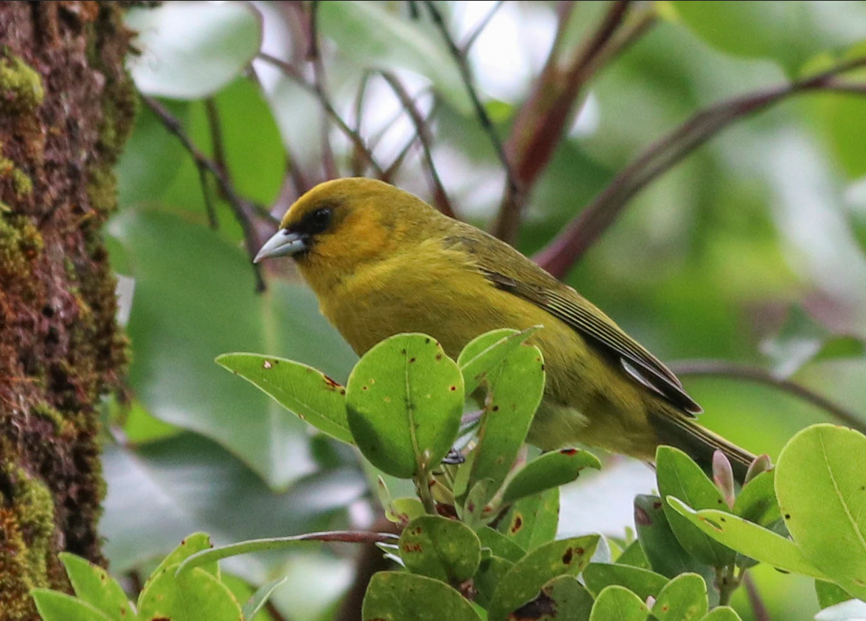
Shown below: ‘Alawi (Hawai’i Creeper) ©Jacob Draker, 2016, Macaulay Library ML30824811 and ‘Akeke’e ©Jen Sanford, 2019, Macaulay Library ML152037841
Another promising approach is to use Bacillus thuringiensis israelensis, or Bti, to control mosquito larva. Other insect pests, such as spruce budworm, are also controlled using a form of Bt. This technique is undergoing trials on another part of Maui and on the island of Hawai’i. Early results indicate successful control is achieved only when early stages of larva are treated and that key non-target insect larvae are not affected. This method is undergoing testing on Kaua’i along with the release of IIT male mosquitos under the auspices of the KFBRP.
Challenges Ahead
Because male mosquitos don’t live very long, unlike the females, and because females lay eggs throughout the season, frequent treatment is needed, ranging from twice a week to every two weeks. The very steep and complex terrain of the Hawaiian Islands also makes treatment tricky since hiking into these areas is not practical and would not allow for the frequency needed or treating a large enough area.
Both recovery projects have been using helicopters to disperse IIT male mosquitos in biodegradable cardboard tubes over a 3,000-acre area as a test. The 2026 appropriations bill for the Department of the Interior provided funding to test the use of drones to disperse the mosquitos. If successful, using drones would allow treating a larger area while also reducing the safety risks associated with frequent low-level helicopter flights in remote, steep terrain.
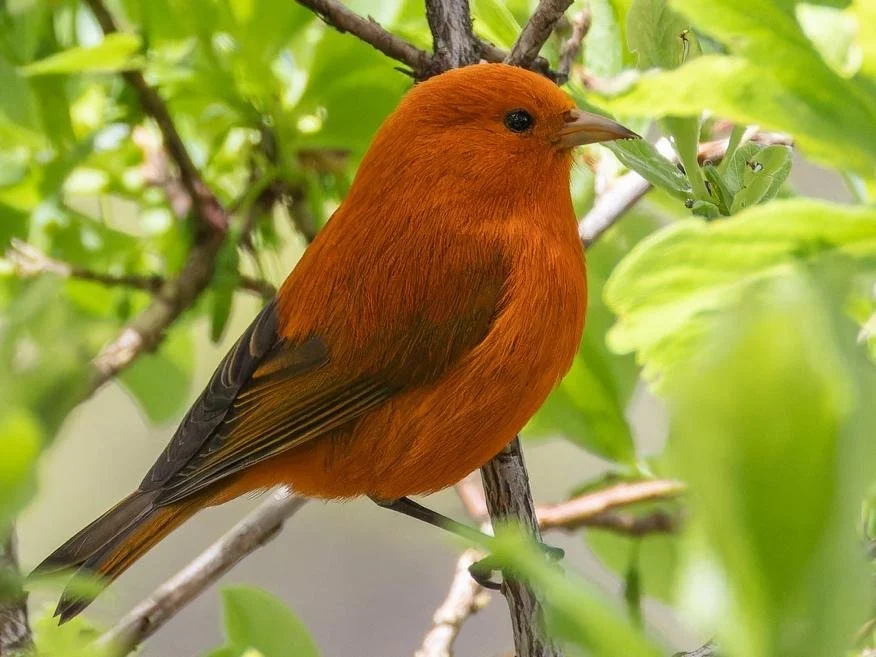
Shown below: ‘Akohekohe © Mark Rauzon, Macaulay Library ML66330571 and Hawai’i ‘Akepa ©Friedemann Arndt, 2025, Macaulay Library ML632434995
Join the Effort
Knowing this, what can we as members of Golden Eagle Audubon do to support this effort? The most direct way is to donate to the Maui Forest Bird Recovery Project and the Kaua’i Forest Bird Recovery Project. Funds will help support the staff, pay for research and monitoring, purchase field equipment, and support education and outreach efforts. Less directly, we can donate to the American Bird Conservancy and The Nature Conservancy, which are partners in the Birds, Not Mosquitos campaign.
Beyond Hawaii
Why should we support this work so far from Idaho? Many of our members travel and birding the Hawaiian Islands is popular. Losing these unique birds greatly diminishes the uniqueness of these islands. In addition, avian malaria is becoming more widespread and a problem on other islands that we like to visit, such as the Galapagos and New Zealand. If these methods work in Hawai’i, they should also work to save unique species on other islands.
Lastly, we should write to our congressional delegation requesting that they continue to support appropriations to continue the recovery work on the Hawaiian Islands. Since use of genetically modified mosquitos may also provide a solution, we should support the research and use of that technique and request federal funding to support that type of work as well.
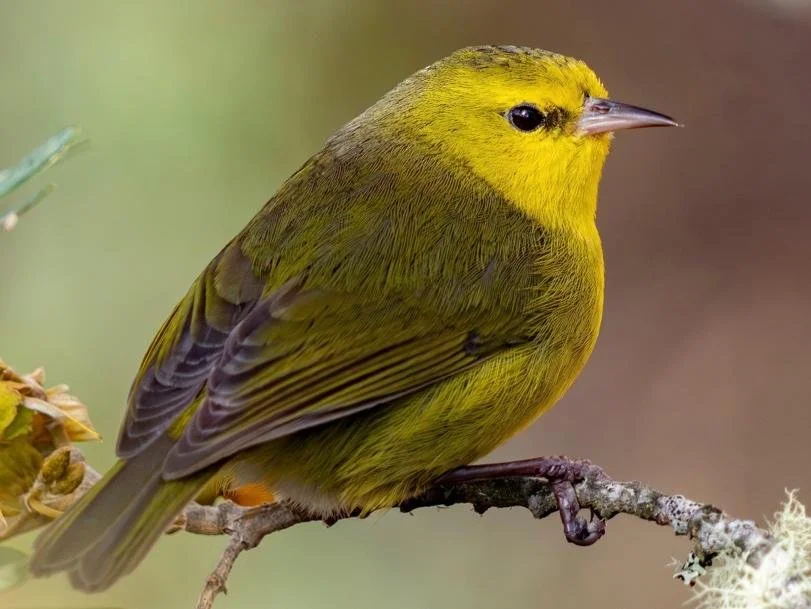
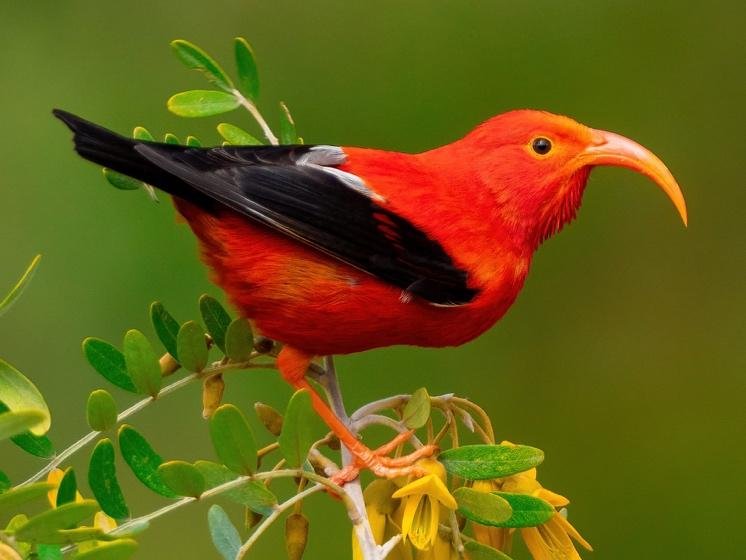
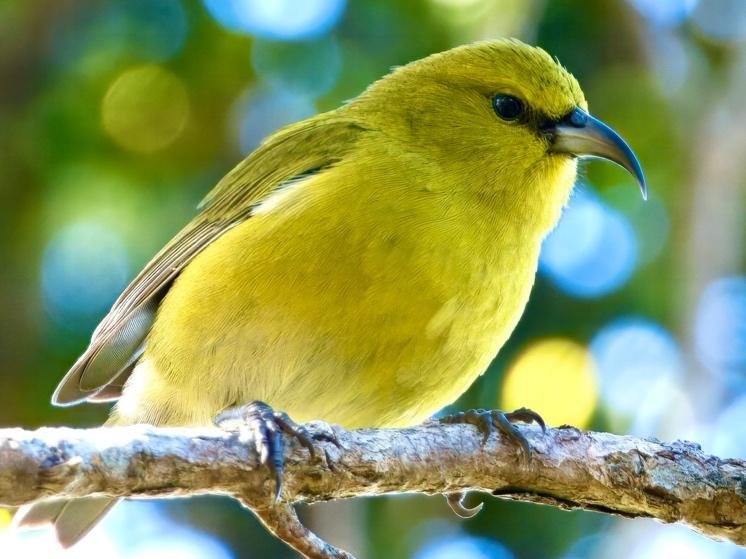
Maui ‘Alauahio © Bryan Shirola, 2025, Macaulay Library ML630725641; I’iwi ©Phil Chaon, 2022, Macaulay Library ML448917221; and Kaua’i ‘Amakihi ©Bobby Wilcox, 2023, Macaulay Library ML612932539