A Field Guide to Boise's Favorite Trail
Book Review by Jo Anne Lafferty, Golden Eagle Board Member
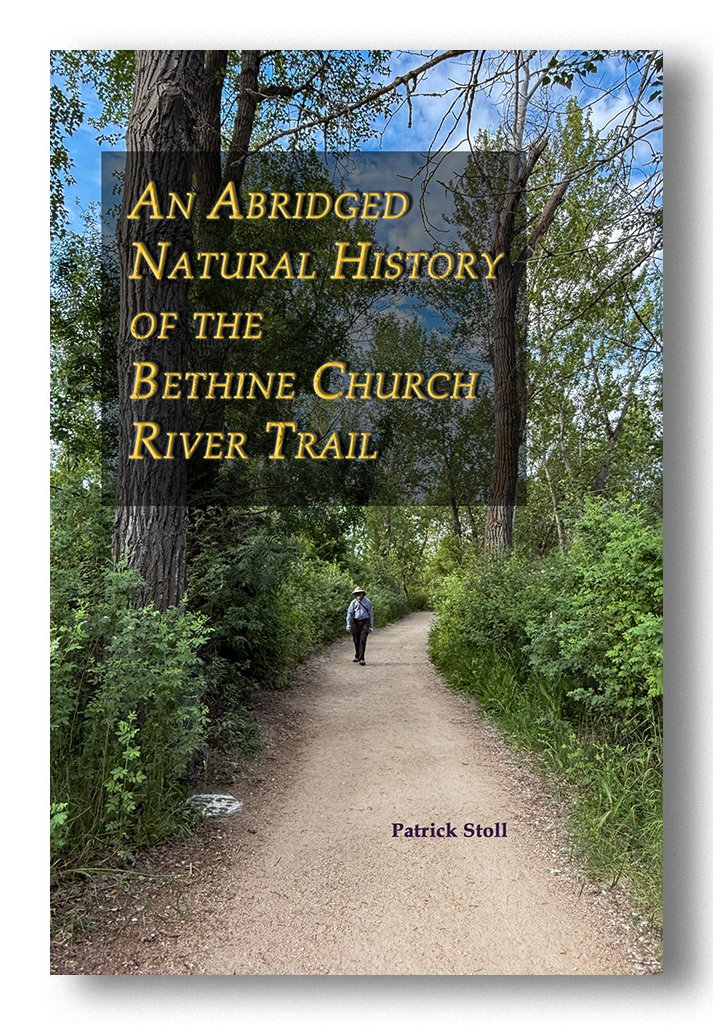
When I received my first copy of An Abridged Natural History of the Bethine Church River Trail I was thrilled and I immediately purchased one for each of my family members. The book is beautifully illustrated and contains a treasure trove of information about this gem of a trail, which runs through 24 acres of wild riparian habitat along the Boise River.
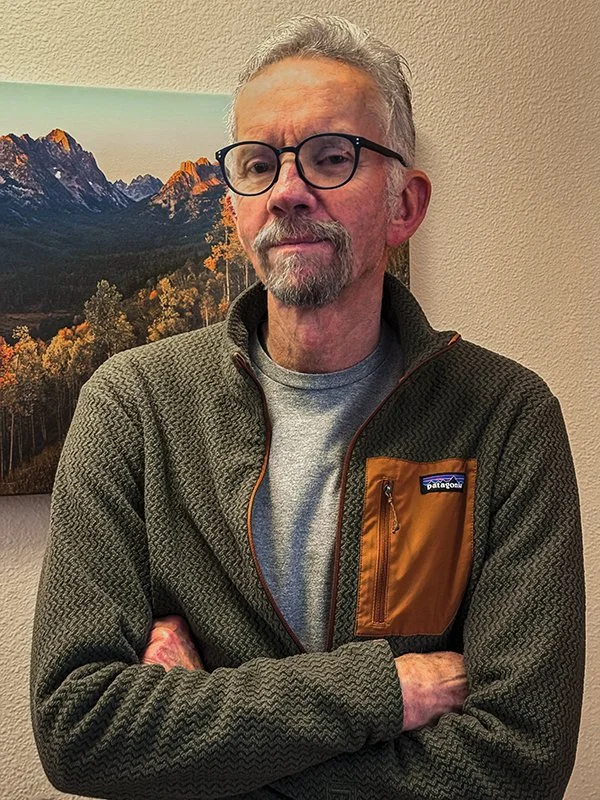
Author Patrick Stoll is uniquely qualified to share his appreciation of this 1.6 mile pedestrian-only trail. He is a retired Environmental Scientist, a Master Naturalist, and an educator, and he spends many hours on the trail. He is an active member of Golden Eagle Audubon Society, which cares for a stretch of the Bethine Church River Trail through City of Boise’s Adopt-the-Greenbelt program, and he regularly volunteers his time teaching birding classes for our organization. His stunning photographs have appeared in a wide variety of local and national publications.
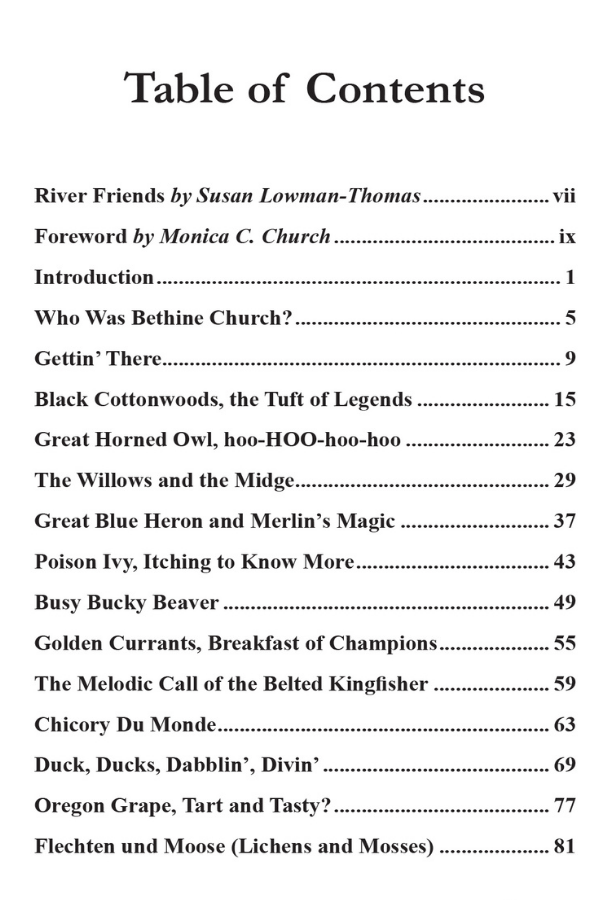
Stoll opens with a tribute to Bethine Church and a short history of the trail. He describes access points, parking options, and trail protocol. He organizes the book by chapters, each featuring a specific bird, mammal, plant, or natural feature, and he offers interesting, little known information about each.
If you aren’t familiar with the trail, perusing the chapters will prepare you for the jewels you’ll encounter, and if you already know the trail you’ll find information about the flora and fauna you may have missed. He includes a chapter featuring memorial benches, which he says “help crystallize the relationship between human elements and the world of nature.”
Stoll writes with humor and shares his knowledge in a friendly, welcoming style. Resources and references are listed at the end of each chapter.
An Abridged Natural History of the Bethine Church River Trail is available locally at the MK Nature Center Visitor Center and at Once and Future Books on State Street. His photographs and more information are at www.patrickstoll.com