By Vicky Runnoe, Golden Eagle Audubon Board Member
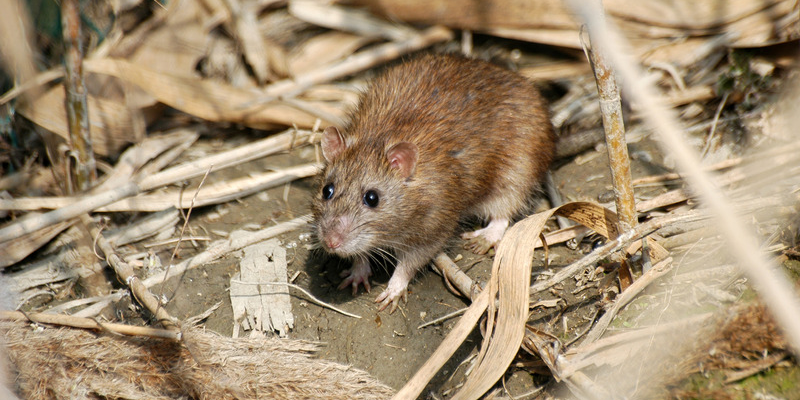
Norway Rat
To feed or not to feed is a question being pondered by many who enjoy feeding the birds. Where outwitting squirrels was once the main concern associated with maintaining feeders, the recent spread of rats in our community has become the larger issue. Balancing the enjoyment of bird feeding with being responsible neighbors is important.
The easiest option is to simply stop feeding the birds. Yards with ample native vegetation can provide birds with plenty of food and appropriate shelter. However, for many people, feeding the birds transcends the desire to simply provide additional food. It allows us to observe the daily activities of the birds that visit our yards, allowing us to learn about and be amazed by these incredible creatures. Bird feeding provides a real source of enjoyment and connection with the natural world. In opting to continue to feed the birds, we need to evaluate how we maintain our feeders so they do not become an attractant to nuisance rodents.
Taking a look at the City of Boise’s new ordinance is a good place to start for guidance. The ordinance took effect immediately, but enforcement will begin December 1, 2026. It does not prohibit feeding birds but instead makes suggestions to help deter unwanted rodent visitors. Many of the deterrents already used to prevent squirrel access will help prevent their naked-tailed relatives from accessing feeders as well. Baffles on poles and domes over the tops of feeders work well to foil access from above and below a feeder. Make sure to trim back tree branches above feeders to prevent aerial access or place them on shepherd’s hooks away from trees. Additionally, hang feeders at least five feet high.
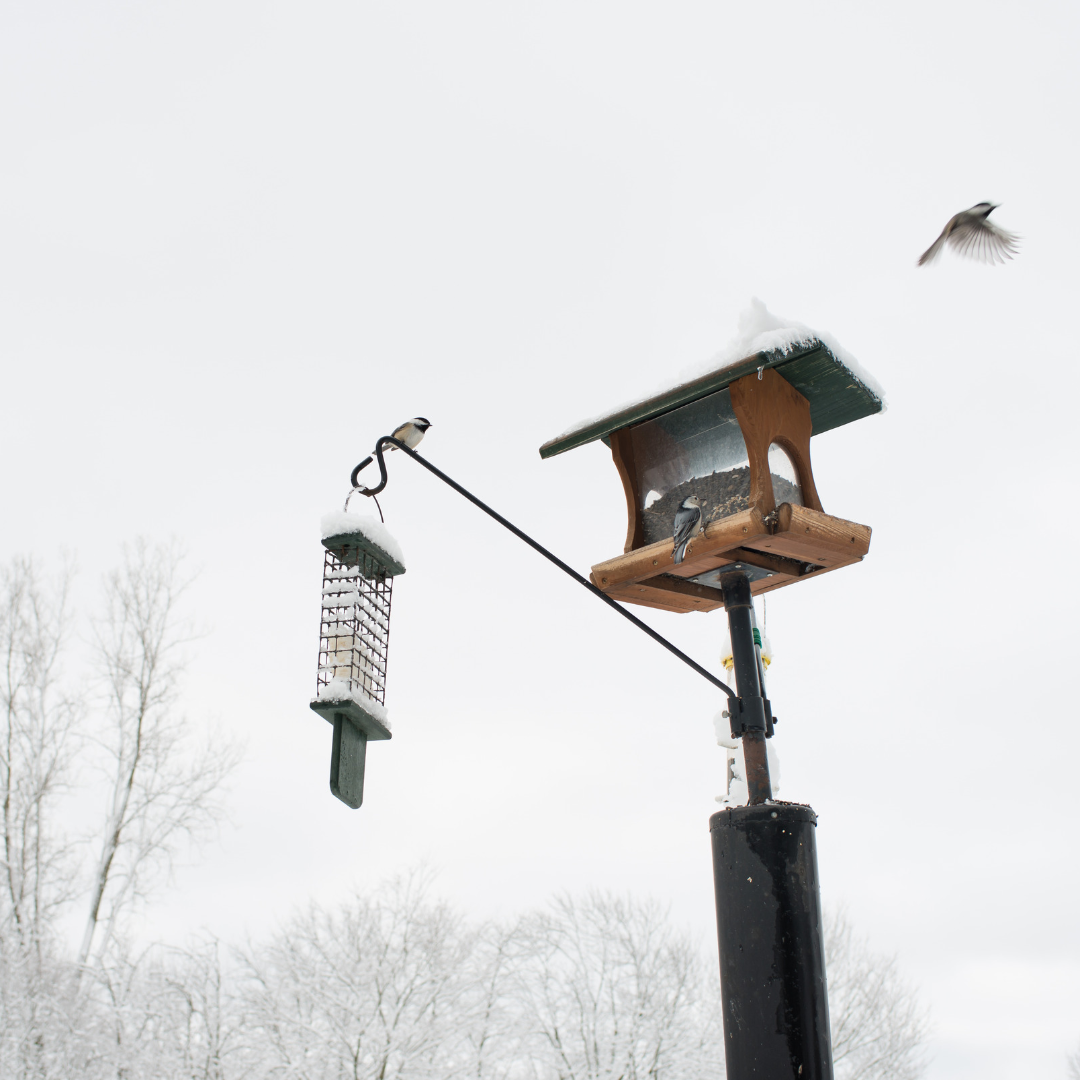
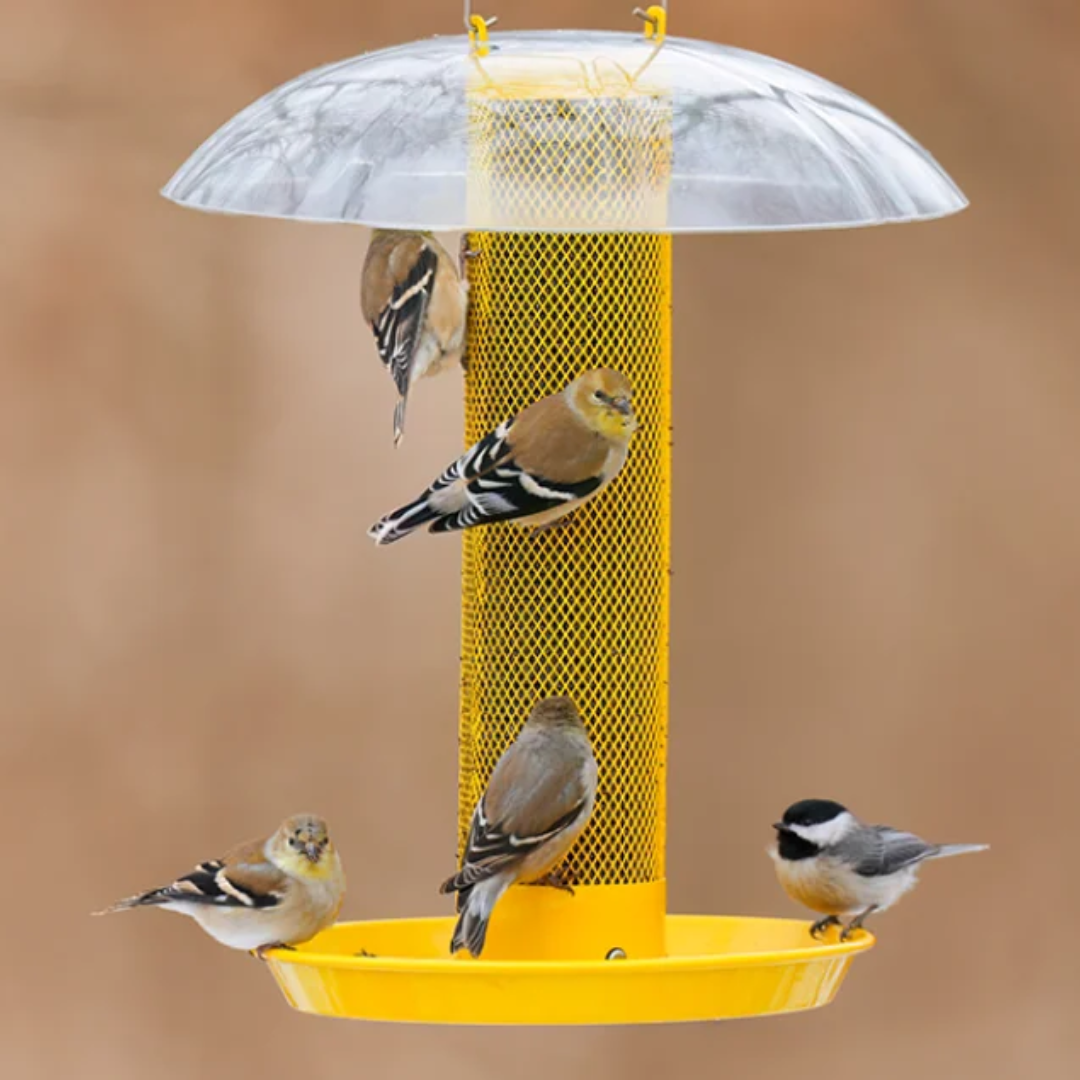
Keeping the ground under feeders clean is another important step. Feeder trays can be purchased that attach directly to tube feeders. Unfortunately, these trays often are specific to feeder brands and are not interchangeable. If this is the case, you can purchase mesh trays, called seed hoops, that hang under feeders to capture seeds. Hopper feeders or elevated platform feeders capture spilled seed because of their design.
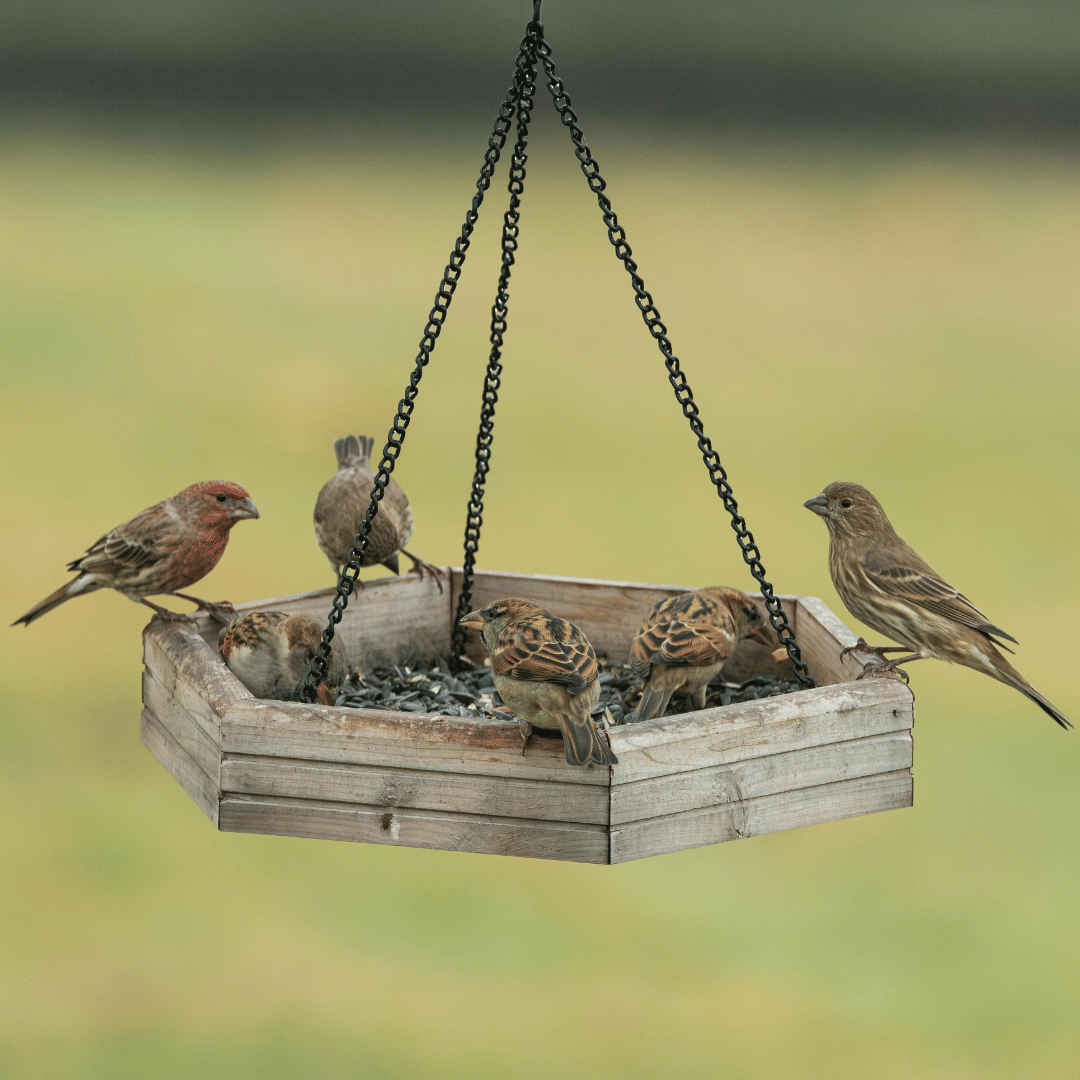
Measuring out a specific amount of food that will be completely consumed by the birds over the course of the day can help keep the area under feeders free of stray seed. This also eliminates food that could attract rats during the night, when they are most likely to visit. Small quantities of seed spilled during the day are often cleaned up by squirrels, quail and other ground feeding birds by nightfall. That said, trays are the best option for keeping the ground seed-free. Browse the feeder options at your favorite bird feeding supplier for ideas on the best feeders and ways to modify existing feeders to deter rats.
Another thing to consider is switching the type of food you offer. Sunflower seed and seed mixes are highly attractive to birds and rodents alike, but Nyger thistle is not. These seeds are so tiny that they provide very little nutritional value to larger animals and are generally ignored. Visiting goldfinches and pine siskins will enjoy Nyger while it will not be an attractive food source for nuisance rodents. Another possible option is to offer food containing hot pepper. The birds cannot taste it, but squirrels and rats will be in for a rather unpleasant surprise!
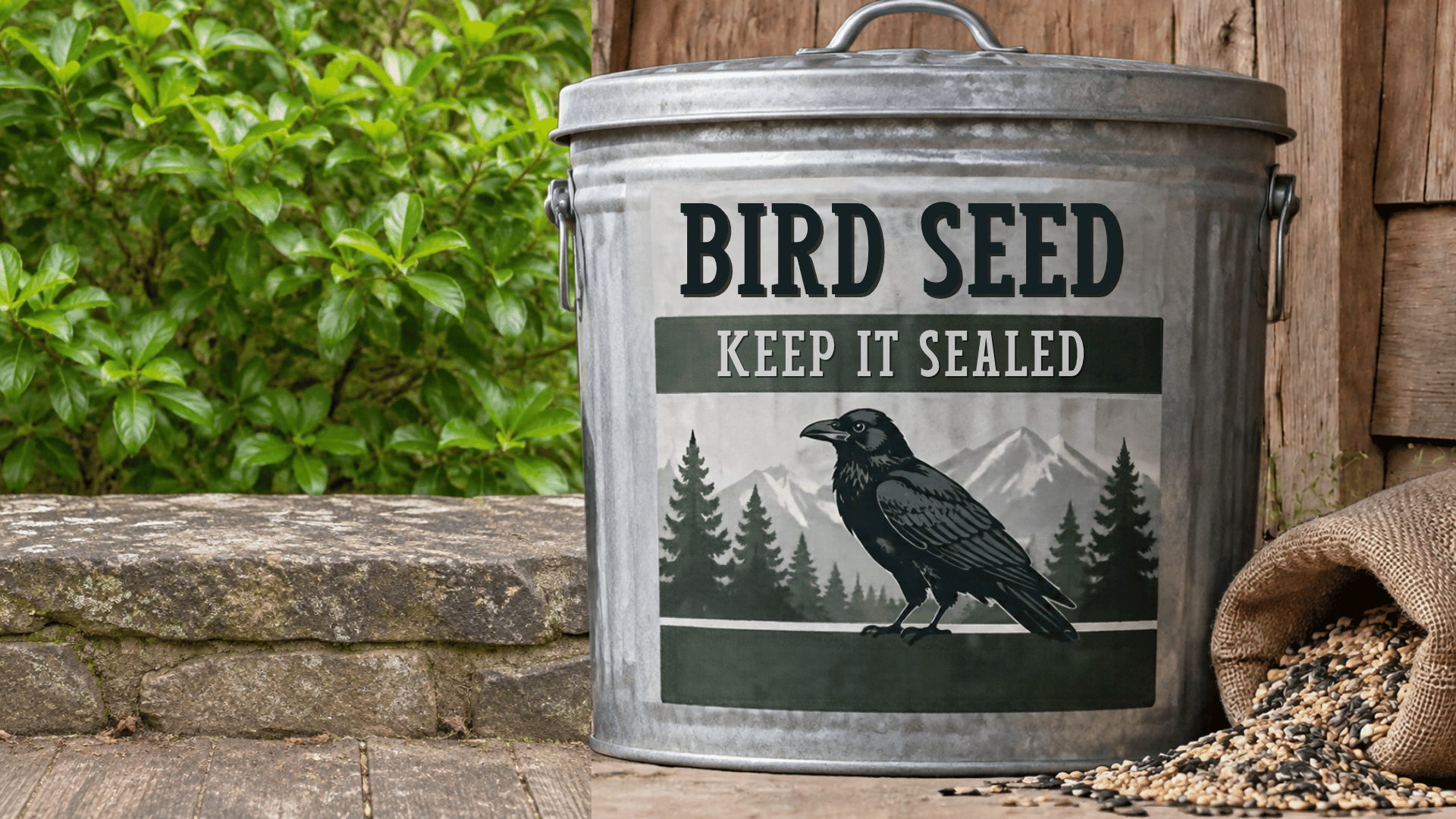
Storage is another area for consideration. The City of Boise’s recommendation is to store seed in hard-sided containers with tight lids or store seed indoors. Metal trash cans are an excellent option for seed storage. Ever since seeing determined eastern chipmunks chew right through hard plastic containers as a kid growing up in Wisconsin, I have always stored birdseed in metal containers.
Rats are prey for a wide variety of predators. Making our neighborhoods welcoming to these species can provide natural population control. Preserving existing habitat and creating new habitats can help attract owls, foxes, coyotes, snakes, bobcats and hawks that will readily prey upon rats. Not all of us are fortunate to live adjacent to good habitats, but it is amazing what a small effort will yield when habitat patches are created. Visit with your neighbors to build support and work together to create habitats in your neighborhood.
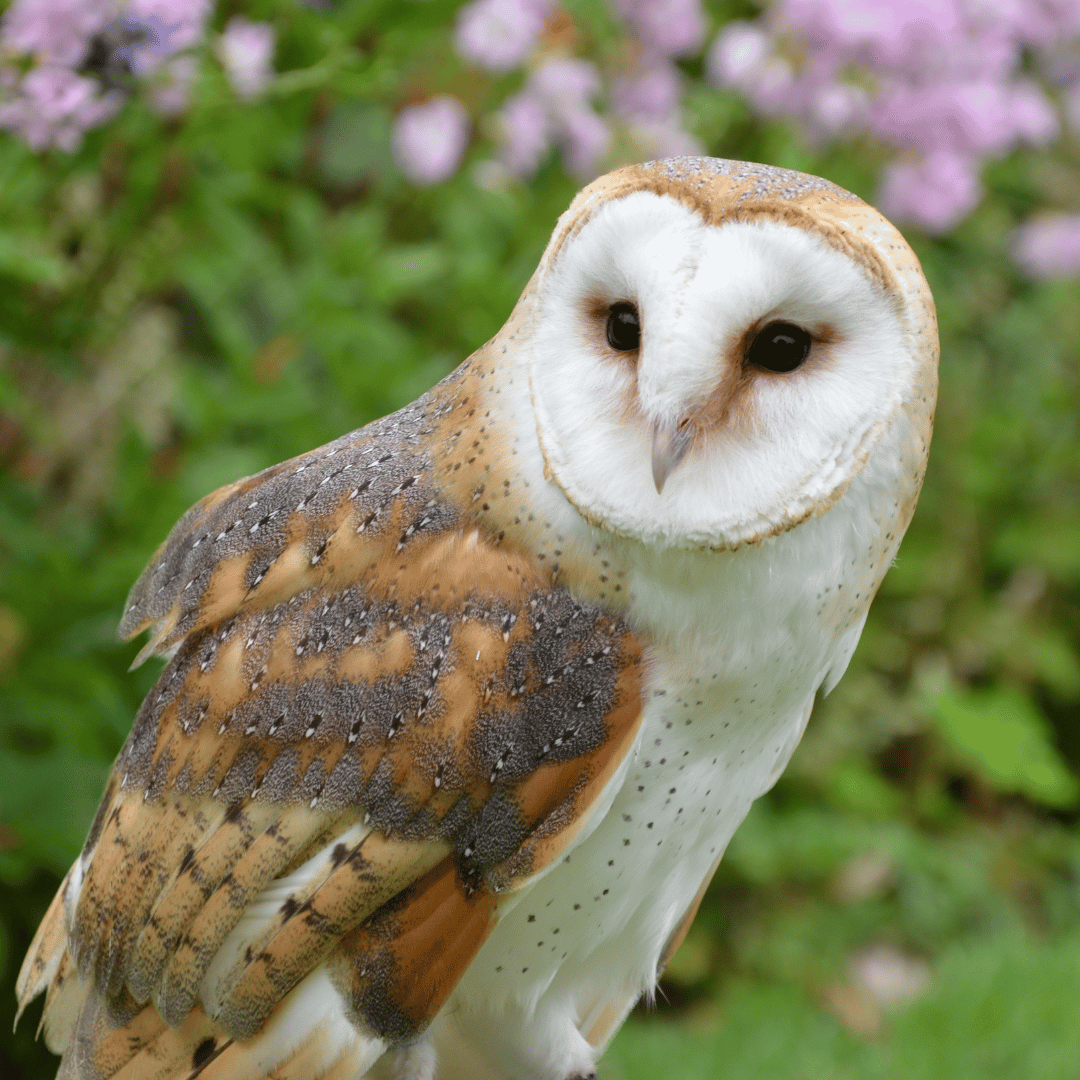
And it should go without saying to avoid using rodenticides at all costs. A poisoned rat does not die immediately and may be eaten by a predator such as an owl. An owl that consumes a poisoned rodent also dies, thus eliminating one of the best natural controls available. If you must address a rat problem, many effective control methods are available that do not involve poison that is dangerous to you, wildlife and pets.
Rats are, unfortunately, here to stay. For those of us who enjoy feeding the birds, this presents a challenge. By evaluating your bird feeding set-up and taking some simple steps, you can continue to enjoy attracting the birds to your yard while also being a responsible neighbor.