Turning to the Birds: The Power and Beauty of Noticing
Book Review by Mary Ann Reuter, Golden Eagle Audubon Guest Blogger
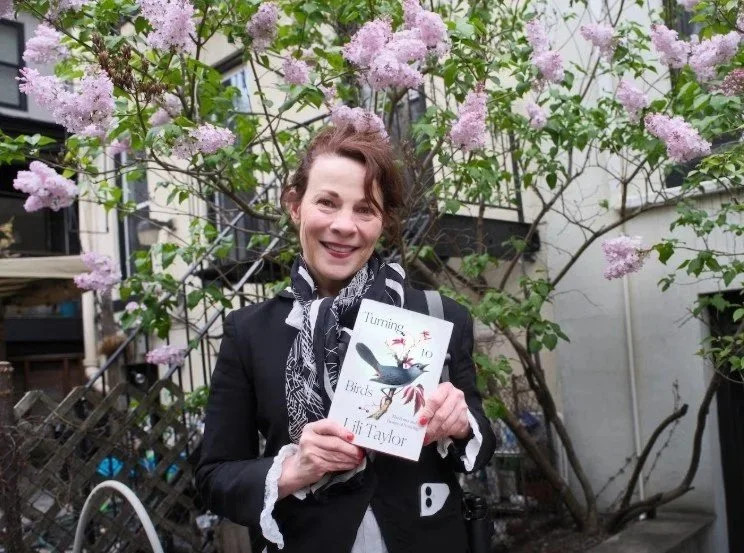
Lili Taylor - photo by Mike Fernandez/Audubon
Author Lili Taylor has a complicated relationship with sparrows – House Sparrows, at least. Especially one particular House Sparrow that raided her bluebird boxes in upstate New York. But by the last chapter of her book, she has worked through those issues enough to share a bittersweet story about a different kind of sparrow – the Saltmarsh Sparrow.
“Every bird counts,” she says, but hints that some birds matter more than others, like the single saltmarsh sparrow she observes at a migration stopover on its way south along the Atlantic coast. Why? Because Ammospiza caudacuta is listed as a Red Alert Tipping Point species and is perhaps the next bird species in North America to go extinct.
This last essay in Turning to the Birds: The Power and Beauty of Noticing drives home the main theme of her book: specific birds, not the generalized concept of birds, are what people are instinctively drawn to.
Knowing birds is not the same as naming them, she explains as she shares her intensely personal relationships with Downy Woodpeckers, Cedar Waxwings, Chimney Swifts, House Finches, Catbirds, Sandhill Cranes, and woodcocks.
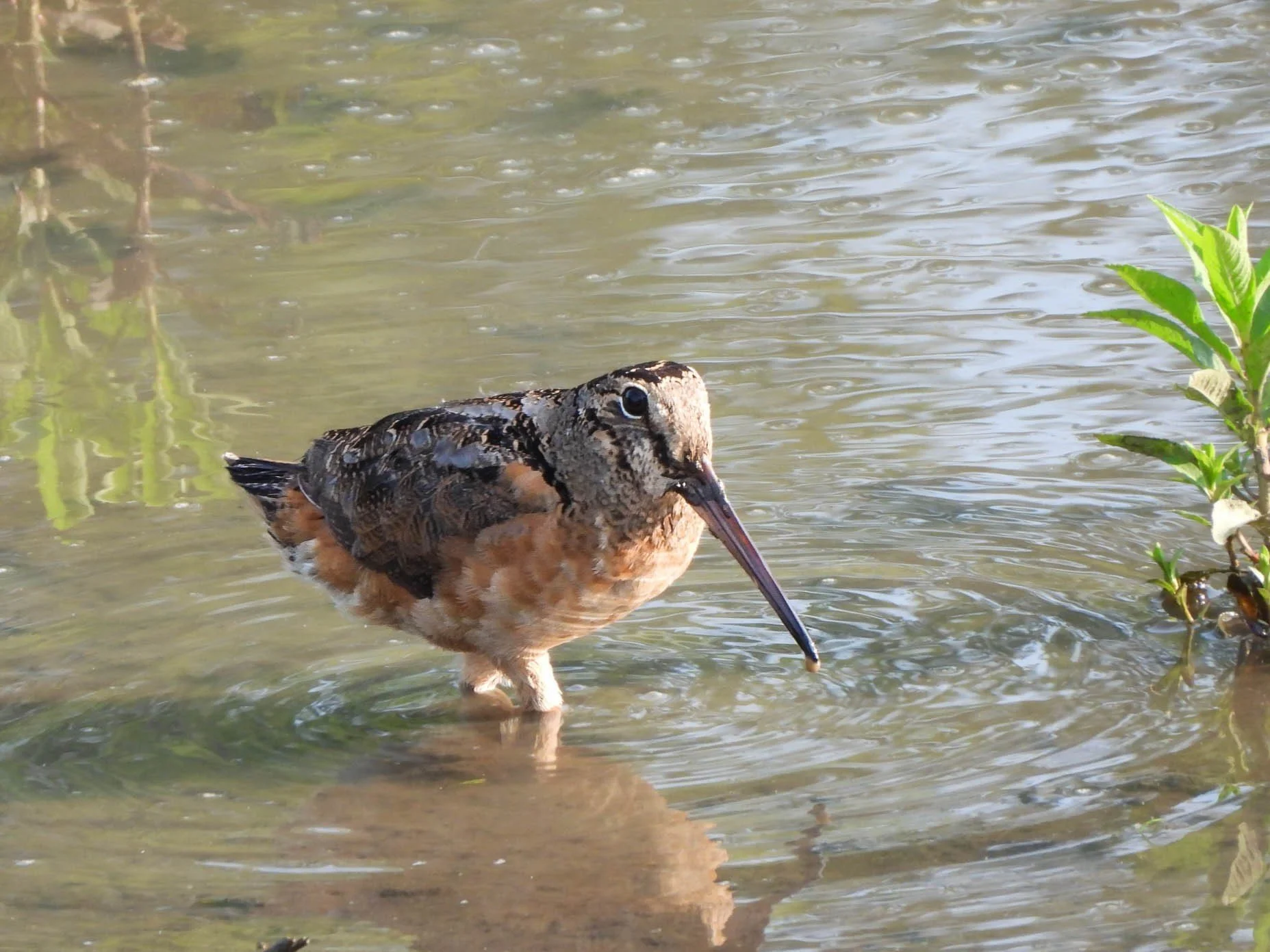
American Woodcock by Susan Braun/Macaulay Library
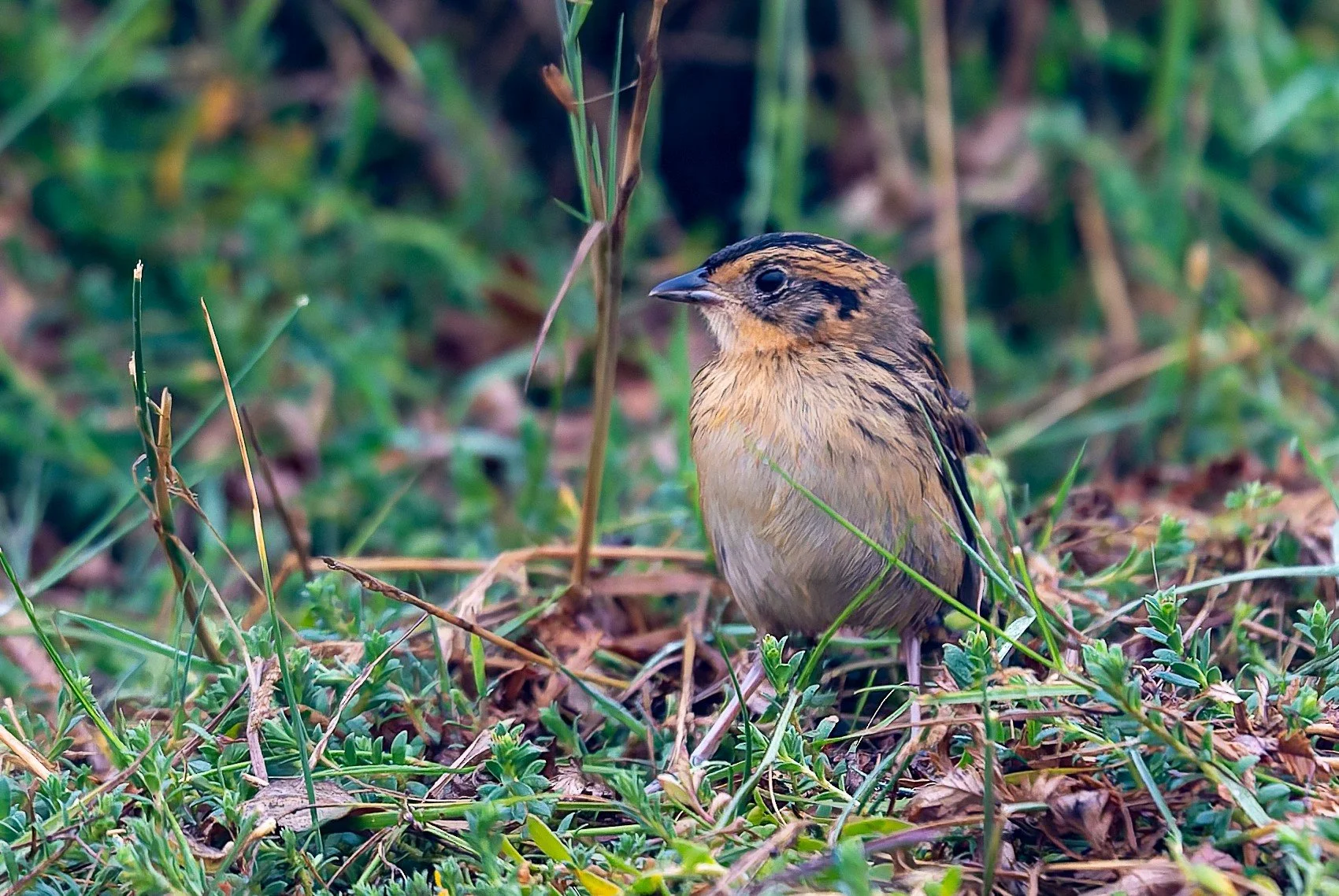
Saltmarsh Sparrow by Nadine Wright/Macaulay Library
The thirteen stories are like heartfelt letters to birds she has loved over the years, filled with the sweet discovery of knowing another being intimately. Her lyrical prose is like an open door to a world that might be unfamiliar to some, but reminiscent to others – a fascinating parallel universe now noticed. All are welcome to join her “on location” - sharing birding adventures in New Mexico, Texas, Nebraska, Michigan and in Brooklyn, where she lives.
Taylor is also a well-known movie, television and theater actress (she played Jojo Barboza, the sassy character in Mystic Pizza, one of my favorite “girls-meet-world” movies from the late 1980s). She compares the skills common to both acting and birding: listening, attention, investigation, observation, perception, and specificity. “General is the death of acting,” her mentor told her. “You have to make it specific.”
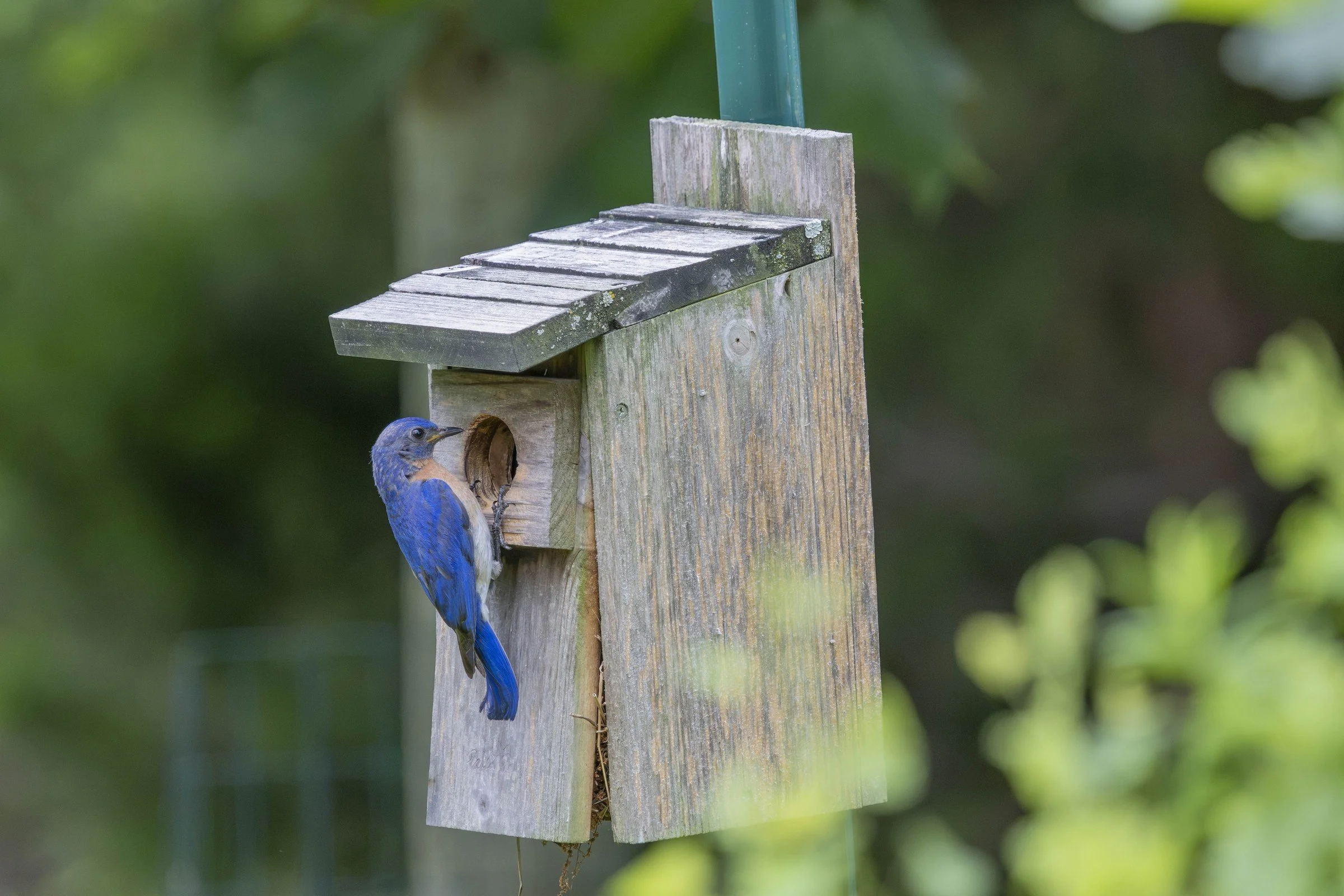
Eastern Bluebird by Liz Pettit/Macaulay Library
And she does just that, weaving unique stories of her encounters with specific birds into an artfully crafted tapestry – not just another bird book. Her wisecracking delivery in some of the passages reminds me a bit of youthful Jojo. But sprinkled in among her playful accounts are serious lessons about light pollution, habitat loss, native plants, rising sea levels, and invasive species (like the aggressive male house sparrow that killed her bluebird babies before they could fledge). In the end, the murderous bird got what it deserved.
Seemingly offhand tips on investing in good binoculars and becoming comfortable with apps like Merlin, eBird and iNaturalist are also part of the fabric. She describes BirdCast, the Cornell Lab of Ornithology project that broadcasts bird migration forecasts in real-time. Suddenly, without so much as a costume change, we are transported to the top of the Empire State Building on a spectacular May evening, There, we experience (vicariously) the exhilaration of knowing that many thousands of migrating birds are passing overhead in the dark windy sky, on their way to breeding grounds in the north. Same as it ever was.
They are moved by the force of life and Taylor is moved by them. “I lift my eyes again, focus them up and out into the northern distance,” she says, after pausing to gaze down on the city below. “I watch birds stream toward the vanishing point on the horizon and am filled with ecstasy and desire and sorrow,” she writes. And you are right there with her.
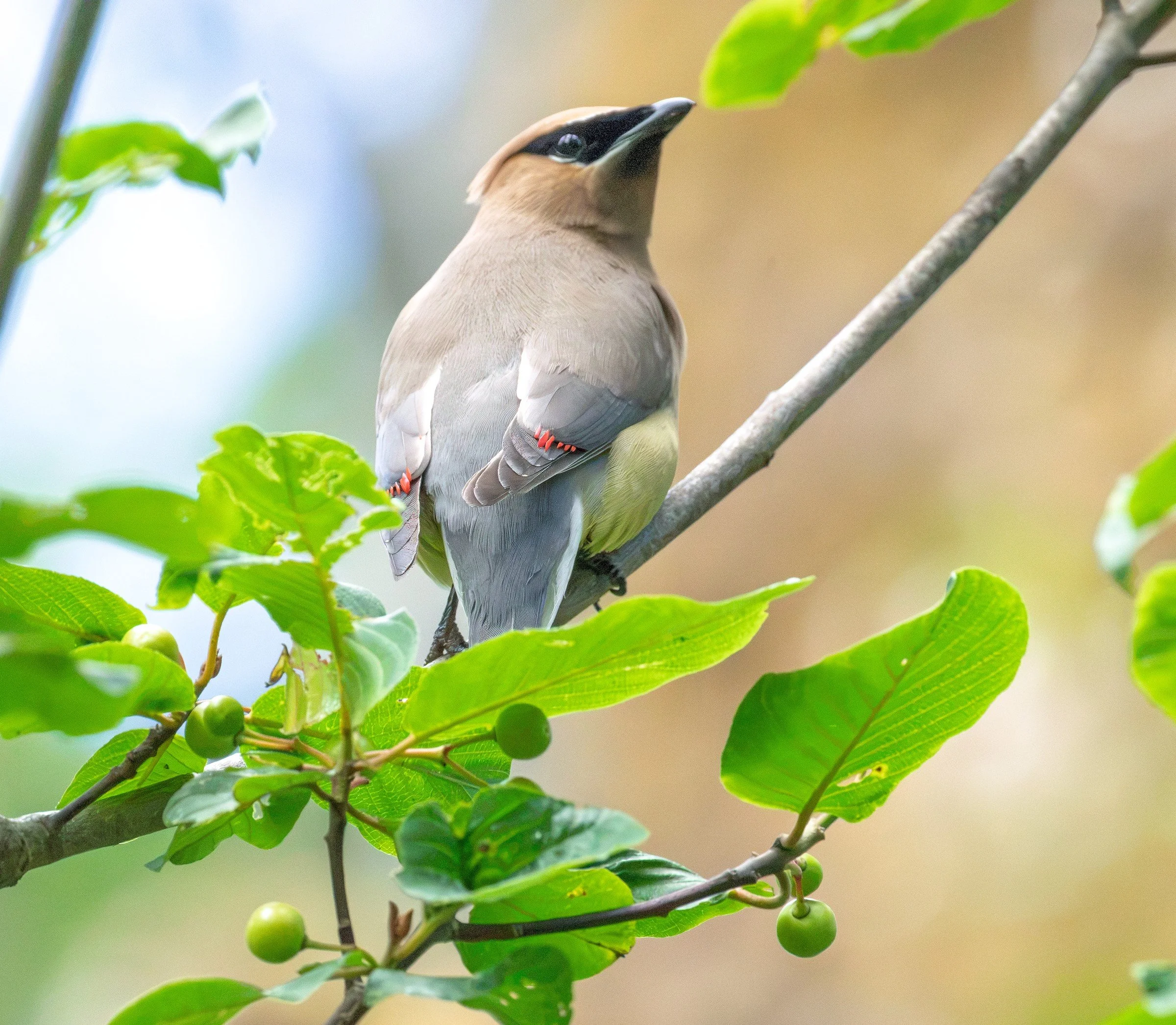
Cedar Waxwing by Paul Bueren/Macaulay Library
Actress, author, conservationist, and board member of the National Audubon Society and American Birding Association, Lili Taylor is an achingly human character on the enormous stage of the more-than-human world. “Ecstasy is exhausting,” she told us earlier.
“Yeah, I’m a birder. I like birds.”